
Why Sectional Sofas Are Good for Families
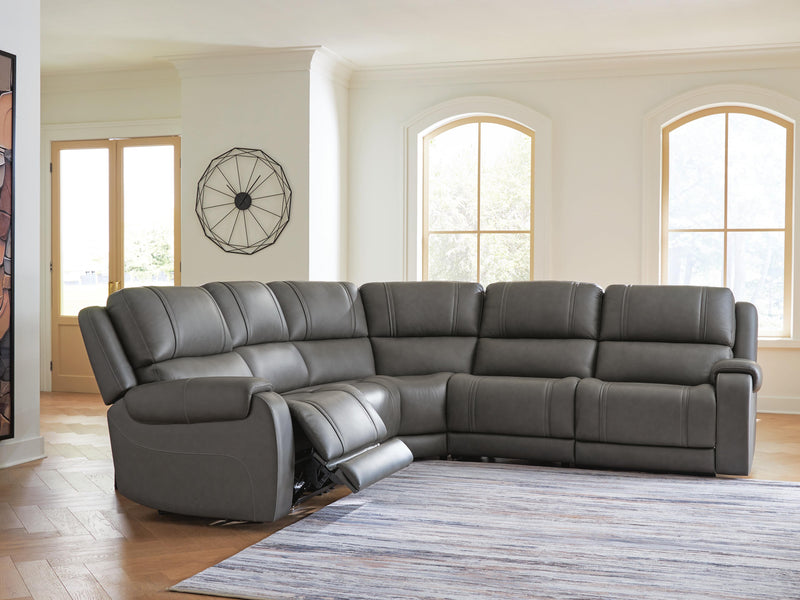
Modern families juggle a lot. Between young kids running through the house, pets claiming their favorite spots, and the constant flow of everyday life, your living room furniture needs to keep up. That’s exactly why sectional sofas have become the go-to choice for households that need seating solutions that actually work.
Quick Answer: Why Families Love Sectional Sofas
A sectional sofa is good for families because it maximizes seating capacity, encourages togetherness, adapts to changing household needs, and comes in kid- and pet-friendly materials that can handle real life. Instead of scattering two separate sofas and multiple chairs around your family room, one well-chosen sectional creates a unified seating area where everyone can gather.
Think about your typical week. Friday movie nights are where four or five people want to watch the same movie. Weekend naps where someone stretches out on one end while others read nearby. Homework time where kids spread textbooks across the chaise while a parent answers emails on the opposite side. Hosting grandparents during the holidays in 2026 without scrambling for extra folding chairs.
A single sectional can replace the need for two sofas, a love seat, and additional furniture pieces that clutter your living space. When you compare the footprint of a large sectional against multiple separate pieces, the sectional often provides more seating in the same or less floor area, while keeping everyone oriented toward each other and the TV.
What Makes a Sectional Sofa Family-Friendly?
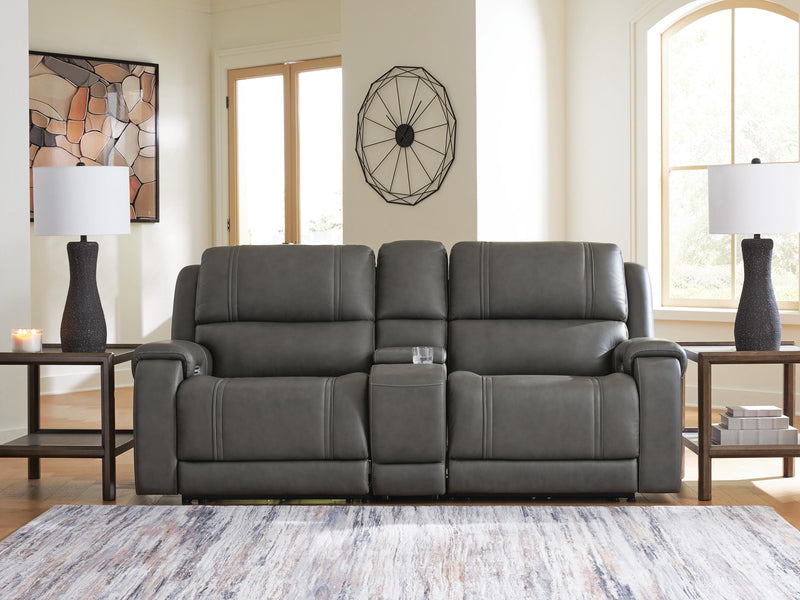
A family-friendly sectional balances four key qualities: comfort for lounging, durability for daily wear, easy care for inevitable spills, and flexible seating that works for adults, kids, and pets alike. These aren’t luxury features, they’re practical necessities when your living room doubles as a homework station, play area, and entertainment hub.
Sectional sofas suitable for busy households are built to handle constant traffic. After-school hangouts, weekend guests sprawling across the cushions, and everyday lounging in your primary living area all put furniture through serious wear and tear. The best sectional sofa for families anticipates this reality with construction and materials designed to last.
Most sectionals comfortably seat five to seven people, making them ideal for families of three to six, plus the occasional visitor. Many models now include features tailored specifically to family life: stain-resistant upholstery, built-in storage consoles for remotes and blankets, and even sleeper options for overnight guests.
Spacious Seating and Togetherness
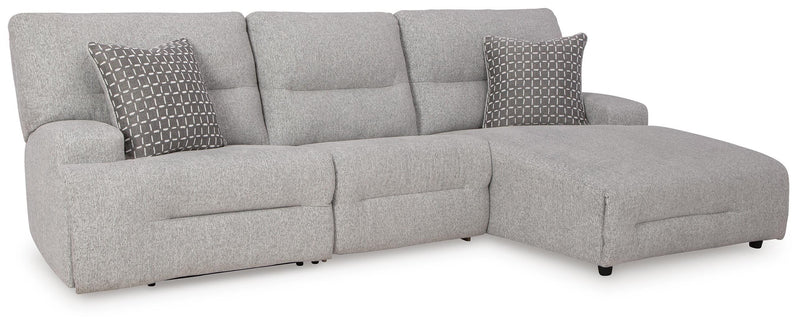
Unlike a regular sofa plus an accent chair pushed to the side, sectionals offer continuous comfortable seating that pulls everyone into the same zone. Common family sectionals range from about 95 to 130 inches on the longest side, enough space for multiple adults to sit comfortably without feeling squeezed.
The L shape or U shape configuration naturally orients everyone toward each other. This makes it easier to watch a movie together, play board games around a coffee table, or have a face-to-face conversation without someone craning their neck from a chair across the room. The corner seats often become the most coveted spots, where kids can nestle in with tablets, books, or gaming controllers.
Consider a typical Sunday afternoon: one parent stretches out on the chaise end, a teenager claims a corner piece with headphones on, and two younger kids sit together in the middle watching something on screen. Everyone has their own space while still being together. That’s the practical magic of ample seating in a single piece of furniture.
Flexible Layouts for Real-Life Rooms
Sectional sofas come as separate pieces that lock or fit together, allowing different room layouts depending on your space. This flexibility makes them adaptable to various room sizes and shapes, something two chairs and a traditional couch can’t easily match.
Common configurations include:
-
L-shaped sectional tucked into a corner, maximizing floor space
-
U-shaped sectionals create an enclosed conversation zone with seating on three sides
-
Chaise sectionals extending along a long wall for lounging without blocking walkways
Families in small apartments can choose compact sectionals under 90 inches, while larger homes can accommodate extended or U-shaped designs that seat six or more. The key is considering traffic flow. Make sure kids can move freely to the kitchen, hallway, and patio doors without climbing over cushions or squeezing through tight gaps.
Picture your family space: the sectional could separate the TV seating area from a play zone near the window, with enough space behind for a sofa table holding lamps and drinks. This kind of intentional layout creates better flow through your everyday life.
Day-to-Day Benefits for Families
The real strength of a sectional shows up in daily routines, not showroom displays. From after-school snacking to evening relaxation and weekend entertainment, a properly chosen sectional supports how your family actually lives.
During a typical weekday, the sectional becomes a multi-purpose hub. Kids come home, drop backpacks, and settle into one end for homework or screen time. A parent might sit on the opposite side, answering work messages. By evening, everyone migrates together for dinner cleanup, then drifts back to the sectional for TV or reading before bed. The chaise end often becomes a dedicated reading nook or a spot where toddlers can sit within arm’s reach of supervision.

Perfect for Movie Nights and Game Days
The continuous seating of a sectional keeps four to six people facing the TV or game console without awkward gaps between separate furniture pieces. Everyone shares the same viewing angle, the same proximity to the snack bowl, and the same cozy atmosphere.
Friday night movies become easier when you don’t have to rearrange chairs or negotiate who gets the “good seat.” Sunday sports gatherings work better when the whole crew can sit together. Family video game tournaments feel more connected when siblings are side by side rather than scattered across the living area.
Practical touches make these moments even better:
-
A large coffee table in front holds snacks, remotes, and board games
-
Deep seats let people shift positions during a three-hour movie marathon
-
An extended chaise provides extra stretching room for anyone who wants to lie down
Comfortable Naps and Sleepovers
The generous depth of many sectional seats, typically around 22 to 26 inches, makes them genuinely comfortable for stretching out and napping. This isn’t just about luxury; it’s practical for families where someone always seems to be dozing off during weekend afternoons.
A parent might fall asleep during a rainy Sunday while kids play quietly nearby. An older child can rest at one end while younger siblings read at the other. The sectional accommodates these overlapping activities without anyone needing their own space in a separate room.
Some sectionals include pull-out sleeper options or ottomans that convert into temporary beds. When cousins visit or a friend stays for a sleepover, you have proper seating that transforms into a sleeping space without setting up air mattresses. Keeping a few washable throws and removable covers nearby helps keep the nap zone fresh between uses.
Hosting Grandparents and Friends
When guests arrive, a sectional makes it easy to offer comfortable seating without dragging in folding chairs from the garage. A U-shaped or large L-shaped sectional allows natural eye contact during conversations, something that’s harder to achieve when everyone sits in a row on separate sofas.
Imagine a small birthday gathering in 2026: seven or eight people can fit around the coffee table on a single sectional plus one accent chair. Everyone faces inward, conversation flows naturally, and the room feels warm rather than formal. For older guests, leaving about 30 to 36 inches of walking space around the sectional ensures safety and comfort when they need to get up.
This kind of setup makes a modest living room feel genuinely guest-ready without requiring more room or a formal living room you rarely use.
Choosing the Right Sectional Style for Your Family
Not every sectional fits every family. The shape, size, and configuration need to match your specific situation, your room dimensions, the number of regular users, whether you have young kids or pets, and whether the room doubles as a guest zone.
Before shopping, measure your living space and use painter’s tape on the floor to map potential sectional footprints. This simple step prevents the common mistake of falling in love with a giant sectional that overwhelms a small room or leaves no space for traffic flow.

L-Shaped vs U-Shaped vs Chaise Sectionals
Each main sectional shape serves different family needs:
|
Shape |
Best For |
Room Size |
Typical Seating |
|---|---|---|---|
|
L-Shaped |
Corner placement, maximizing space |
Small to medium rooms |
4-5 people |
|
U-Shaped |
Enclosed conversation zones, large families |
Large rooms (14+ feet wide) |
6-8 people |
|
Chaise |
Long, narrow rooms, dedicated to lounging |
Varies |
3-5 people |
L-shaped sectionals tuck neatly into corners, making them ideal for small living rooms or family rooms where you need to preserve floor space for play areas or traffic paths. They’re the most versatile choice for families just starting to explore sectional options.
U-shaped sectionals create an enclosed zone with seating on three sides. If you have more than four regular users and a room wider than about 14 feet, this configuration offers the most ample seating and the coziest feel for hosting guests. The tradeoff is that they dominate a room, which can be a feature rather than a bug if you want to define your family space clearly.
Chaise sectionals work well in long, narrow rooms where one extended seat provides lounging space without blocking walkways. They’re particularly popular in open floor plan homes where the sectional runs along a wall with traffic flowing behind it.
Modular Options for Growing Families
Modular sectionals are built from interchangeable pieces that can be rearranged or expanded over time. For families expecting change, a baby becoming a toddler, kids bringing more friends home, or a potential move to a different house, this modular design offers significant advantages.
When your family grows, you can add an extra armless seat or corner piece rather than replacing the entire sectional. If you move to a home with a different room layout, the same pieces can reconfigure from a left-facing to a right-facing arrangement. The individual modules are also easier to move through narrow hallways and up staircases than a fixed shape sectional.
Most sectionals in this category allow you to flip a chaise from left to right, accommodating future room changes. This long-term flexibility makes modular sectionals a particularly smart and significant investment for families who plan ahead.
Materials and Maintenance: Surviving Kids, Pets, and Spills
Your upholstery choice matters as much as the sectional’s shape when sticky fingers, pet fur, and daily snacks are part of the equation. The right fabric upholstery can mean the difference between a sectional that looks worn after two years and one that still feels fresh after eight.
Performance fabrics and durable, tight-weave materials are specifically designed to resist stains, repel liquids, and withstand the daily wear of busy households. When shopping, look for easy-care instructions: machine-washable, removable cushion covers, water-based cleaning codes, and materials that can be wiped with a damp cloth.
Color and texture choices also matter. Mid-tone fabrics tend to hide everyday crumbs, fur, and minor marks better than pure white or very dark shades.
Kid- and Pet-Friendly Fabric Choices
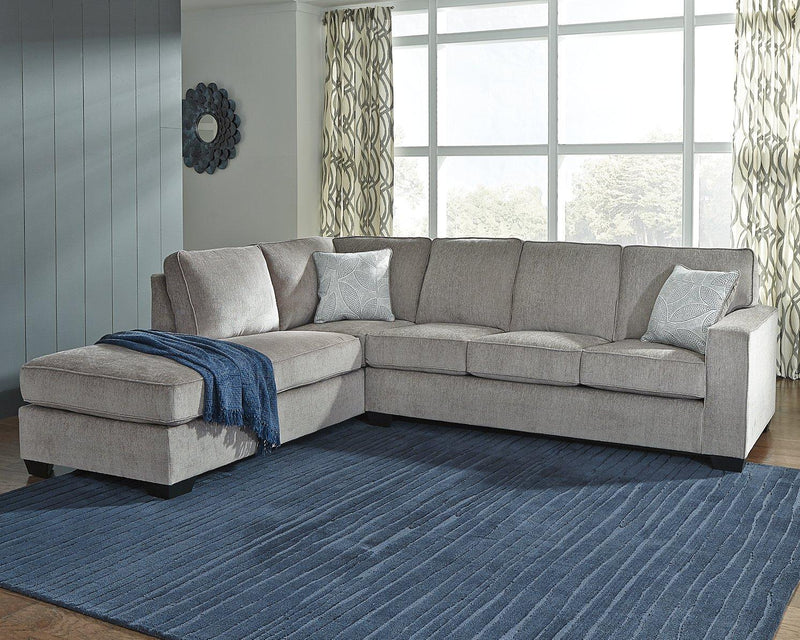
When selecting fabric for family-friendly sectionals, focus on practical performance over aesthetics alone:
Recommended fabric types:
-
Tightly woven synthetic blends that resist snagging
-
Performance fabrics (including Crypton fabric and similar treatments) that repel liquids
-
Heavy-duty cotton or linen-look materials with high rub counts
Fabrics with higher rub-count ratings indicate greater resistance to wear, important when small children bounce on cushions or pets claim their favorite spots. Look for “heavy-duty” designations when shopping.
Color recommendations:
-
Mid-tones like taupe, medium gray, or denim blue hide stains better
-
Avoid pure white or very dark colors that show every crumb and pet hair
-
Patterned fabrics can disguise minor marks between cleanings
Avoid very loose weaves or delicate textures in homes with cats who scratch or young kids whose toys might snag threads. A tight weave fabric holds up far better under these conditions.
Easy Cleaning and Everyday Care
Keeping a sectional fresh doesn’t require heroic effort, just consistent basic maintenance:
Weekly routine:
-
Quick vacuum in crevices to remove crumbs and debris
-
Plump and rotate cushions to maintain shape
-
Spot-clean any fresh spills before they set
Stain response supplies to keep nearby:
-
Lint roller for pet hair
-
Mild upholstery cleaner appropriate for your fabric type
-
Microfiber cloths for quick wipe-downs
Removable covers that can be washed at home are especially valuable with toddlers and preschoolers in the house. Setting basic household rules, like no permanent markers or open paint near the couch, helps maintain the sectional’s appearance for years without constant vigilance.
Space Planning: Making a Sectional Work in Your Home
Many families worry that a sectional will overwhelm their room or block important walkways. The truth is that careful measuring and planning can make sectional work even in smaller living rooms, as long as the proportions are right for the actual space.
The general rule is to leave at least 30 inches of clearance for main walkways and access to doors, windows, and storage. This ensures enough space for comfortable movement without the room feeling cramped.
Consider how your sectional will interact with other elements: the play zone, media console, existing accent chairs, and any ottomans. Adding one or two small side tables or a narrow console behind the sectional gives everyone a place for drinks and reading lamps without cluttering the seating area itself.
Using a Sectional to Define Zones
In open floor plan homes, a sectional can act as a soft room divider, separating the family TV area from a dining table or homework desk without building walls.
A practical layout: position the sofa back facing the dining side, with seats facing the TV. A toy basket can be tucked near the shorter side, keeping play materials accessible but contained. This approach makes a large living area feel more room-like and organized, with designated spaces for different activities rather than one undifferentiated zone.
When space allows, floating the sectional slightly away from the wall prevents blocking focal points like fireplaces or large windows. The few extra inches behind can accommodate a console table for lamps and décor, improving both function and visual balance.
Budget and Long-Term Value for Families
Sectionals typically require a larger upfront investment than a basic sofa, but the math often works in their favor. A single quality sectional can replace two sofas, a love seat, and two chairs, providing more seating for less total cost and floor space.
Realistic price expectations:
-
Budget models: mid hundreds
-
Durable mid-range options: low thousands
-
Premium family-quality sectionals: mid thousands
When evaluating cost, consider the price per year of use. A well-made sectional can last 7 to 15 years with proper care, while a cheap couch might need replacing every three to four years. Paying somewhat more for durable frames, quality foam, and strong fabric upholstery often costs less over a decade than cycling through multiple cheaper pieces.
Before purchasing, check warranties and care instructions to understand expected lifespans. Look for frame warranties of five years or more and cushion warranties that indicate confidence in the foam quality. These details matter more than showroom appearance for furniture that will handle everyday life.
Conclusion: Is a Sectional Sofa Right for Your Family?
A sectional sofa is good for families because it delivers what busy households actually need: generous, comfortable seating, support for togetherness, adaptability to evolving needs, and durability in stain-resistant fabrics that handle real life. Whether you’re managing young kids, hosting guests regularly, or simply wanting everyone to sit comfortably during movie nights, the right sectional makes your living room work harder.
Before making a decision, reflect on your actual routines. How many people gather together most evenings? How often do you host? How is your room currently used, and what frustrations does your current furniture create?
The best choice balances shape, size, fabric, and budget against real-life habits. A large sectional makes sense for large families in spacious rooms; a compact L-shaped sectional might be the win-win for small spaces that still need proper seating for four or five.
Take exact measurements of your living space, map potential configurations with painter’s tape, and think about how your family grows and changes. The sectional you choose today should keep serving your household well into the late 2020s, a cozy, functional foundation for all the movie nights, naps, homework sessions, and gatherings still to come.
Buy Sectional Sofa Furniture at SouthEastern Furniture Today

Upgrade your living space with sectional sofa furniture at SouthEastern Furniture today and create a comfortable and versatile area for relaxing, entertaining, and everyday living. Sectional sofas are designed with multiple connected pieces, allowing you to adjust the layout to fit your space while maximizing seating and comfort. Many options also feature modern designs and durable materials, making them ideal for long-term use.
Now is the perfect time to refresh your living room. Buy sectional sofa furniture at SouthEastern Furniture now and create a space where comfort, style, and functionality come together for you and your family.