
Why Sofa Placement Can Improve Room Comfort

The sofa is usually the largest, most-used piece in any living room. Where you position it directly affects how comfortable people feel, how easily they move through the space, and even how relaxed or stressed they become while sitting. Thoughtful sofa placement can influence emotions, behavior, and social interaction, shaping the overall experience within the room. Smart sofa placement can make a room feel bigger, calmer, and more inviting without buying a single new piece of furniture.
This article covers traffic flow, visual balance, focal points, and the psychology of personal space to help you optimize comfort in your living space. Sofa placement should also reflect your lifestyle and daily habits to ensure the space is both harmonious and functional. The guidance here is practical and evidence-informed, using specific measurements and design principles that interior experts rely on daily.
Why Sofa Placement Matters for Comfort and Behavior
Where the sofa sits changes how people move, talk, relax, and even how calm or stressed they feel throughout the day. This is not just about aesthetics; it is about how the arrangement influences daily life. How you arrange furniture, especially the sofa, plays a crucial role in optimizing comfort and encouraging social interaction in the room.
Humans are sensitive to personal space. Research in proxemics identifies a comfortable personal zone of roughly 18–48 inches. When seating is positioned within about 4–6 feet of other chairs or sofas, conversation feels natural and cozy. Push that distance beyond 10 feet, and interactions become strained. Squeeze it under 18 inches, and people feel invaded.
A poorly positioned sofa can create bottlenecks that force awkward navigation, lead to uncomfortable TV viewing angles, and fragment relaxation zones. A well-placed couch supports social connection and genuine rest. Even shifting a sofa 8–12 inches (roughly 20–30 cm) off a wall or away from a doorway can noticeably improve comfort and make the space feel more spacious.
Understanding Your Room Before Moving the Sofa
Before dragging your sofa around, audit the room to understand its constraints and opportunities.
Start by sketching your room on paper or using a simple app. Mark all doors (including their swing arcs, which can extend 36 inches into the room), windows, built-in features like radiators or vents, and electrical outlets. This sketch becomes your planning map. As you plan, consider your personal style and design preferences; your furniture layout should reflect the style and ambiance you want for your living room.
Next, trace your main walk paths. Where does traffic flow from the entry door to the kitchen or hallway? These routes must stay clear; a sofa cutting through them creates daily friction.
Identify your natural focal point. This is usually the TV wall, fireplace, a large window with a view, or a significant piece of artwork. The focal point will anchor your final sofa position, so knowing it upfront saves trial and error.
For reference, consider a typical living room of about 12 x 16 feet (roughly 3.6 x 4.9 meters). In this size, a full-size 84-inch sofa fits comfortably parallel to the longest wall, about 3 feet off it, while preserving a clear loop around the perimeter for movement.
Traffic Flow: Keeping Pathways Clear and Comfortable
Comfortable rooms let people move in and out without sidestepping knees or squeezing behind furniture. When traffic flow is obstructed, the entire space feels cramped, even if the square footage is generous.
Aim for these spacing guidelines:
-
Main walkways (behind or beside the sofa): at least 30–36 inches (75–90 cm)
-
Sofa to coffee table: approximately 16–18 inches (40–45 cm) for easy reach without tripping hazards
-
TV viewing zone: avoid placing the sofa where people must walk directly between viewers and the screen
Thoughtful seating arrangements, such as organizing seats around a central focal point like a fireplace or TV, help create a flexible and inviting layout that works well for gatherings and daily use.
Here is a concrete example layout:
Imagine a rectangular living room with the entry door on the left wall and the TV mounted on the opposite wall. Float the sofa about 3 feet off the right wall, facing the TV. This arrangement lets traffic loop around the back of the sofa rather than cutting through the viewing area. The 35–40 inch gap behind the seating keeps movement smooth and preserves relaxation for anyone watching.

Visual Balance: How Sofa Position Affects Calm vs. Clutter
The sofa carries significant visual weight. Its position can make a room feel lopsided and chaotic or harmonious and calm. A balanced arrangement not only enhances symmetry but also creates an inviting feel, making the space more comfortable and welcoming.
When you place one large sofa against one wall, the opposite side often feels empty. Balancing elements, like two armchairs, a console table, or a tall floor lamp, on the other side restores symmetry and comfort.
Clustering too many heavy pieces on one side creates problems. If the sofa, large bookcase, and TV unit all crowd the same wall, the room feels unbalanced and harder to relax in. Negative space (the unfilled floor area) should occupy roughly 15–20% of the room to maintain a sense of ease.
Consider these balanced furniture arrangements:
-
Two occasional chairs placed across from the sofa with a rug tying them together
-
An L-shaped setup with a chaise extending from the main sofa
-
A loveseat plus armchair combination on the opposite side of a large sofa
For example, in a 14 x 14-foot room, position the sofa on the longer wall, place two chairs opposite, and use a rug that extends 12–16 inches beyond the seating cluster. This creates visual balance and defines a cozy conversation area.
Breathing Room: Why Pulling the Sofa Off the Wall Helps
Pushing a sofa flat against a solid wall often makes a living space feel tighter, not larger. This counterintuitive truth comes down to visual depth.
Leaving a small gap of 4–12 inches (10–30 cm) between the sofa back and the wall creates shadow lines that add a sense of depth and dimension. This breathing room also makes cleaning easier and visually lightens a bulky sofa, especially in rooms around 10 x 12 feet and larger.
In very small spaces (less than 9 x 11 feet), the sofa may need to touch the wall. In these cases:
-
Choose slim-arm sofas with visible legs to maintain an airy feel
-
Use mirrors on adjacent walls to reflect visual space
-
Keep other furniture low-profile
For rooms with breathing room available, consider styling that small gap behind the sofa:
-
A slim console table with a lamp
-
A floor lamp in the corner
-
Low plants that add life without blocking light
These additions reinforce the breathing space and make the room feel more considered without cluttering pathways.
Aligning the Sofa with the Room’s Focal Point
Comfort improves when the main seating naturally faces what people actually use most. Forcing awkward positions for the sake of symmetry undermines daily usability.
The sofa should ideally face or angle toward the primary focal point. This prevents neck strain from constant turning and creates a more welcoming seating arrangement. In open-concept or larger spaces, placing the sofa closer to the center of the room, often referred to as a 'sofa closer' arrangement, can enhance intimacy and improve the flow between different areas.
Different focal point scenarios:
|
Focal Point |
Recommended Sofa Position |
|---|---|
|
TV |
Face directly toward it, positioned at 1–2.5 times the TV’s diagonal distance (e.g., 8–10 feet for a 40-inch screen) |
|
Fireplace |
Sofa across from it, with flanking chairs to create a U-shape for conversation |
|
Window/View |
Sofa opposite the window so people can enjoy natural light and scenery while seated |
Competing focal points: In rooms where a TV sits on one wall and a fireplace on another, prioritize based on family habits. If movie nights dominate, orient toward the TV. If hosting and conversation matter more, create a U-shape around the fireplace and angle a secondary seat toward the TV.
The key is aligning the sofa with how the room is actually used, not just how it looks in a photo.
Psychology of Distance: Personal Space and Conversation Comfort
Sofa placement directly affects how comfortable people feel when sitting together. The psychology of distance matters more than most people realize.
The concept of personal space zones suggests that roughly 18–48 inches is the comfortable range for familiar interactions. For conversation, placing chairs or another sofa within 4–6 feet (1.2–1.8 meters) of the main sofa encourages dialogue without feeling invasive.
U-shaped or circular seating layouts, using the sofa, armchairs, and a central coffee table, support eye contact and relaxed conversation. These arrangements create cozy conversation areas where everyone can participate naturally.
Avoid placing seating in a straight line with more than 10 feet separating people. This configuration makes conversations feel strained, and the room feels cold despite adequate square footage.
Soft curves can enhance the inviting atmosphere:
-
Rounded or oval coffee tables soften the arrangement
-
Curved side chairs near the sofa feel less rigid
-
Angled armchairs (rather than strictly perpendicular) add warmth

Wall-Anchored vs. Floating Sofas: Comfort Trade-Offs
Sofas can either anchor against a wall or float in the middle of the room. Each approach has comfort trade-offs worth understanding.
Wall-anchored sofa benefits:
-
Maximizes floor space in rooms under about 11 x 13 feet
-
Creates a secure, supported feeling with the wall behind your back
-
Simplifies layouts in narrow or long rooms
-
Works well when the longest wall aligns with the clear focal point
Floating sofa benefits:
-
Enables better zoning in open-plan spaces (separating living and dining areas)
-
Creates more balanced circulation routes around the seating area
-
Improves sightlines to multiple focal points
-
Makes larger rooms feel more intentional and less empty
Example of a floating layout: In an open-plan 20 x 15-foot living-dining area, position an 80-inch sofa 3–4 feet from the wall, with its back toward the dining area. The sofa acts as a low divider, defining the living room zone while allowing visual connection and traffic flow around both spaces. Maintain at least 36 inches of clearance on all sides for comfortable movement.
Choose your approach based on room size and how you move through the space daily, not just on trends.
Small Rooms vs. Large Rooms: Adapting Sofa Placement for Comfort
Comfort principles remain similar across room sizes, but exact sofa position changes with scale.
For small rooms (around 9 x 11 or 10 x 12 feet):
-
Use compact sofas or loveseats (66–75 inches wide)
-
Place the sofa on the longest uninterrupted wall
-
The sofa may touch the wall, but maintain clear walkways of 24–30 inches
-
Avoid bulky sectional sofas that dominate the floor plan
-
Use furniture with visible legs to preserve visual space
For medium to large rooms (14 x 16 feet or bigger):
-
Float the sofa 3–4 feet from a wall
-
Create distinct conversation zones rather than pushing everything to the perimeter
-
Pair with additional seating (armchairs, accent chairs) for balanced layouts
-
Use rugs to anchor seating clusters and make the room feel cozy
The coldness problem in larger rooms: Positioning the sofa too far from other seating makes the space feel cold and disconnected. Keep primary seats within about 8–10 feet of each other to support comfort and conversation.
Side-by-side comparison: The same 84-inch sofa can feel cramped when wall-anchored in a small room but perfectly proportioned when floated in a larger space. Placement alone changes perceived comfort by 10–15%, according to residential design surveys.
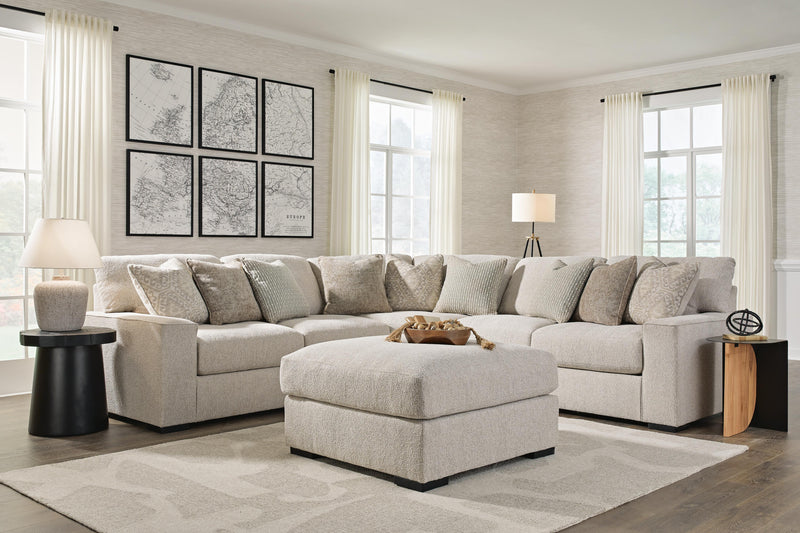
Working with Sectional Sofas for Maximum Coziness
Sectional sofas offer generous seating and can feel very cozy, but their size makes furniture placement more critical than with standard sofas.
Corner placement in compact rooms: Position the sectional hugging a corner to free central floor space. This arrangement works well in rooms around 12 x 14 feet, as long as you maintain a 30–36-inch passage around the piece for comfortable navigation.
Floating sectionals in larger rooms: In open-plan spaces, a floating sectional can serve as a soft divider between living and dining areas or between a relaxation zone and a home office. The back of the sectional defines one zone while the seating faces the other.
Critical routing rule: Ensure that the chaise or extended side of the sectional does not block main routes to doors, windows, or the kitchen. Blocking these paths creates daily frustration and safety concerns.
Anchoring with a rug: Place a rug under the front legs of the sectional (or ideally, the entire piece) to visually anchor the seating area. This makes the arrangement feel like a defined, inviting space rather than furniture randomly placed in the middle of a room.
Light, Views, and Sofa Placement
How the sofa relates to windows and light sources affects both physical comfort and emotional well-being.
Sofas in front of windows: Use low-back models and leave about 10–12 inches (25–30 cm) between the sofa back and the window wall. This gap preserves curtain function, allows natural light to flow over the seating, and prevents the sofa from looking crammed against the architecture.
Sofas opposite large windows: This position allows people to enjoy natural light and outdoor views without constantly turning their heads. Studies suggest natural light exposure can lower stress by up to 20%, making this arrangement beneficial for relaxation and overall mood.
Managing glare for TV comfort: If your TV and main window share the same wall or face each other, angle the sofa or TV slightly to minimize direct reflection. This improves visual comfort during daytime viewing.
Security and sight lines: Many people feel more comfortable when they can see the room’s entry from the sofa. This creates a subtle sense of security (a principle also noted in feng shui). Positioning the sofa to see the door while still accessing natural light creates an inviting atmosphere and supports genuine relaxation.
Feng Shui Principles for Sofa Placement and Comfort
Feng shui, the ancient Chinese art of arranging spaces for harmony and well-being, plays a crucial role in sofa placement and the overall comfort of your living room. By following a few core feng shui principles, you can create an inviting atmosphere that feels balanced, relaxing, and welcoming for both family and guests.
One of the most important feng shui guidelines is to position your sofa against a solid wall. This arrangement provides a sense of security and support, making the living space feel stable and grounded. If possible, avoid placing the sofa directly under a window, as this can create a sense of instability and make the room feel less cozy. Instead, aim for a position where the sofa has a clear view of the main entry door, known as the “commanding position,” but is not directly in line with it. This setup allows you to see who enters the room, enhancing both comfort and a subtle sense of control over your environment.
Feng shui also emphasizes the importance of thoughtful furniture arrangements. Creating a cozy conversation area with your sofa and chairs in a circular or U-shaped configuration encourages connection and makes the space feel more inviting. A well-placed coffee table in the center of the seating area helps establish visual balance and serves as a practical anchor for the arrangement. Choose a coffee table that is proportionate to your sofa and other pieces to maintain harmony and avoid overwhelming the space.
In small rooms, feng shui suggests opting for a compact sofa or a sectional that fits the room’s shape, helping the space feel open rather than crowded. Keep furniture placement simple and avoid cluttering the area with too many pieces; this not only makes the room feel larger but also supports a sense of calm and serenity. In larger rooms, use rugs to define different zones, such as a reading nook in a quiet corner or a dining area set apart from the main seating cluster. Each area should have its own character, but the overall arrangement should feel cohesive and balanced.
Decor also plays a role in feng shui comfort. Add plants or decorative elements to create a sense of harmony, but avoid blocking natural light or walkways. A rug under the seating area adds warmth and helps anchor the space, making the room feel cozier. Keep the area tidy and organized, as clutter can disrupt the flow of energy and make the space feel less inviting.
Practical Styling and Accessory Tips Around the Sofa
Comfort depends not just on where the sofa sits but also on how surrounding elements support that position.
Coffee table selection and placement:
-
Choose a coffee table roughly two-thirds the length of the sofa
-
Position it 16–18 inches from the sofa edge for easy reach without creating a tripping hazard
-
Avoid coffee tables that are too tall (arm height or slightly below is ideal)
End tables and side tables:
-
Place at arm height beside the sofa for setting drinks, phones, and lamps
-
These improve convenience and make the seating area feel more complete
Rugs to define the area:
-
In small spaces: place the front legs of the sofa on the rug
-
In larger rooms: place all legs on the rug for a grounded, cohesive look
-
The rug should extend 12–16 inches beyond the seating cluster
Simple styling ideas:
-
One floor lamp positioned behind a sofa corner for reading light
-
One or two plants nearby to add life without blocking pathways
-
2–4 cushions to soften the layout and add color or texture
-
A throw blanket draped over the arm for cozy aesthetics and practical warmth
These additions draw attention to the seating area as the heart of the living room without creating clutter.
Step-by-Step: How to Reposition Your Sofa for Better Comfort This Weekend
This practical mini-guide can be completed in a single afternoon.
Step 1: Clear and measure
-
Remove small furniture and decor from the floor
-
Measure your room dimensions and write them down
-
Note the position of doors, windows, and outlets
Step 2: Mark walkways
-
Use painter’s tape to outline main traffic paths
-
Ensure these paths are at least 30 inches wide
-
Trace routes from the entry to the kitchen, hallway, and other rooms
Step 3: Identify the focal point
-
Stand where you would naturally look when entering the room
-
Decide whether the TV, fireplace, or window is the room’s focal point
-
This determines where your sofa should face
Step 4: Position the sofa
-
Place the sofa facing or angled toward the focal point
-
If possible, pull it 4–12 inches from the wall for breathing room
-
Ensure no part of the sofa blocks door swings or primary pathways
Step 5: Test comfort
-
Sit in different spots on the sofa and note sightlines
-
Walk common routes (entry to kitchen, hallway to TV)
-
Check that the coffee table is within easy reach (16–18 inches)
Step 6: Fine-tune
-
Make small adjustments of 4–6 inches at a time
-
Retest sitting and walking after each adjustment
-
Aim for a balance between visual harmony and practical flow
Step 7: Live with it
-
Keep the new arrangement for a week before making final changes
-
Notice differences in relaxation, conversation quality, and general sense of ease
-
Adjust only after observing how the new layout functions daily
Conclusion: Turning Sofa Placement into Everyday Comfort
Sofa placement influences movement, social interaction, perceived space, and overall relaxation more than many people realize. The position of this single piece of furniture can significantly affect whether a room feels welcoming or awkward, spacious or cramped, relaxing or stressful.
Small, specific changes, like pulling the sofa slightly off the wall, aligning it better with the room’s focal point, and respecting walkways of 30 inches or more, can noticeably improve how comfortable your living room feels.
Experiment with one new layout based on the guidelines here and pay attention to how your room feels over the following days. You may find the perfect spot for your sofa without spending a cent on new furniture.
Thoughtful sofa placement is an easy, low-cost way to make any living room feel calmer, cozier, and more welcoming. Move your sofa this weekend, and let the room tell you if it works.
Get Your Living Room Furniture at Southeastern Furniture Today

Your living room should be a comfortable space where you can relax, gather with family, and welcome guests. At SouthEastern Furniture, the living room furniture collection includes sofas, sectionals, recliners, chairs, and accent pieces designed to fit a variety of home styles and layouts. Each piece is selected to provide comfort, durability, and everyday functionality.
Explore the living room furniture selection today and find the right pieces for your home. Whether you’re upgrading your seating area or furnishing a brand-new space, SouthEastern Furniture offers a range of options to help create a living room that feels inviting and practical.