
What Sectional Sofa Designs Improve Seating Comfort?
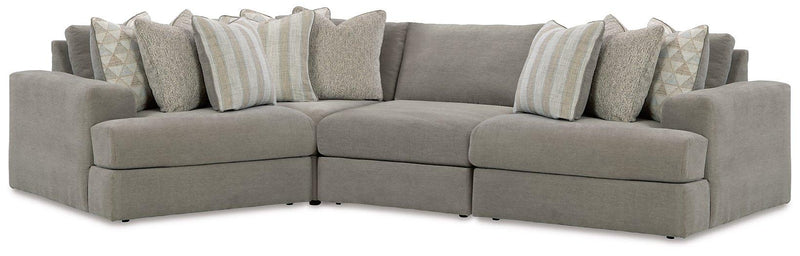
Key Takeaways
-
Seating comfort in a sectional sofa depends on four interconnected factors: sectional shape, seat depth, cushion construction, and how well the piece fits your specific living room and daily habits.
-
Modular sectionals, L-shaped sectionals, and curved sectionals can all deliver exceptional comfort when dimensions and padding are chosen for real bodies rather than showroom appeal.
-
The most comfortable sectional sofa balances adequate seat depth (typically 23-25 inches for versatility), supportive seat cushions with layered foam construction, and ergonomic back and arm design; looking plush matters less than these fundamentals.
-
Pairing a comfortable sectional couch with ottomans and accent chairs creates multiple supportive seating zones, accommodating different postures and preferences in one room.
-
This article walks through sectional shapes, dimensions, cushion types, ergonomic features, and layout strategies so you can confidently choose or customize the best sectional sofas for lasting comfort.
Introduction: How Sectional Design Shapes Real-World Comfort
Sectional couches have become the default furniture anchor in modern living rooms, and for good reason. They handle movie nights with six people sprawled across deep seats, hybrid work sessions with laptops balanced on knees, and family gatherings where flexible seating outperforms rigid traditional sofas. By 2025, sectionals comprised over 65% of sofa sales in North American markets, a clear signal that households value adaptable, multi-person seating.
But “comfortable” means different things depending on what you’re doing. Lounging demands different support than upright conversation or a mid-afternoon nap. Unlike traditional sofas with fixed configurations, a well-designed sectional sofa brings comfort across these varied use cases when you understand which design details actually matter.
Before diving deeper, here are the key terms you’ll encounter: modular sectional refers to assemblies of independent units connected via hardware, allowing multiple configurations; seat depth is the distance from the front cushion edge to the backrest; sectional shape includes L, U, curved, or chaise designs; and a chaise is an extended legrest section typically 24-36 inches deep. The examples and measurements throughout reflect current living room trends in 2025-2026, written from a neutral, educational perspective focused on features any shopper can evaluate.
1. Sectional Shapes That Naturally Increase Seating Comfort
The shape of a sectional sofa is the most significant factor in determining how many people can sit comfortably, even more than the overall length of the sofa. A poorly chosen shape creates “orphan” seats, awkward spots facing away from the room’s focal point or squeezed into corners where users can’t fully relax.
Well-designed shapes yield 80-90% usable, comfortable positions versus 50-60% in poorly planned layouts. Understanding which configurations work for your living space and lifestyle prevents buyer’s remorse and ensures the entire sectional gets regular use.
1.1 L-Shaped Sectionals: Everyday Comfort Workhorses
An L-shaped sectional remains among the most comfortable sectional choices for typical apartments and homes. The L shape provides both upright seating along one arm and a natural lounging corner where two backrests meet, offering support from two directions, ideal for curling up with a book or tablet.
L-shaped sectionals are ideal for maximizing seating in rooms between 10 feet by 13 feet and 14 feet by 18 feet, providing more seating than traditional sofas without overwhelming the space. Position the long side (typically 80-100 inches) parallel to your primary sightlines, facing the TV, fireplace, or main window, so relaxed viewing comes naturally.
When choosing left- versus right-facing orientation, consider traffic flow. Right-facing configurations work well for clockwise room flow, preventing end-seat collisions with passersby. The corner seat offers dual-wall support that reduces torso twisting by approximately 40% compared to linear sofas, making it a favorite for extended sitting during game nights or long reading sessions.
Pair an L-shaped layout with 1-2 accent chairs positioned at 45-degree angles to complete a comfortable conversation circle without overcrowding floor space.
1.2 U-Shaped and Curved Sectionals for Social, Lounge-Level Comfort
A U-shaped sectional creates a conversation-pit feel, dramatically increasing ample seating for group gatherings. U-shaped sectionals work best in larger rooms, ideally 13 feet by 18 feet or larger, as they create an enclosed conversation zone that can comfortably seat six to eight people.
Comfort in a U shape depends on making the center seats just as usable and padded as the ends. Avoid tight inside corners, inner radii under 24 inches, which force awkward hip positioning that defeats the purpose of extra seating.
Curved sectionals provide a fluid alternative to traditional shapes, encouraging conversation in larger rooms and creating a defined seating area within open floor plans. The gentle arc (typically 120-180 degrees) eliminates sharp 90-degree corners that can dig into hips and thighs, naturally directing everyone slightly toward each other, ideal for social gatherings but requiring thoughtful TV placement.
To maximize seating and maintain circulation, use slim side tables, movable ottomans, and low-profile rugs that keep pathways clear so all seats feel easy to enter and exit.
1.3 Chaise, Open-Ended, and Modular Sectional Designs
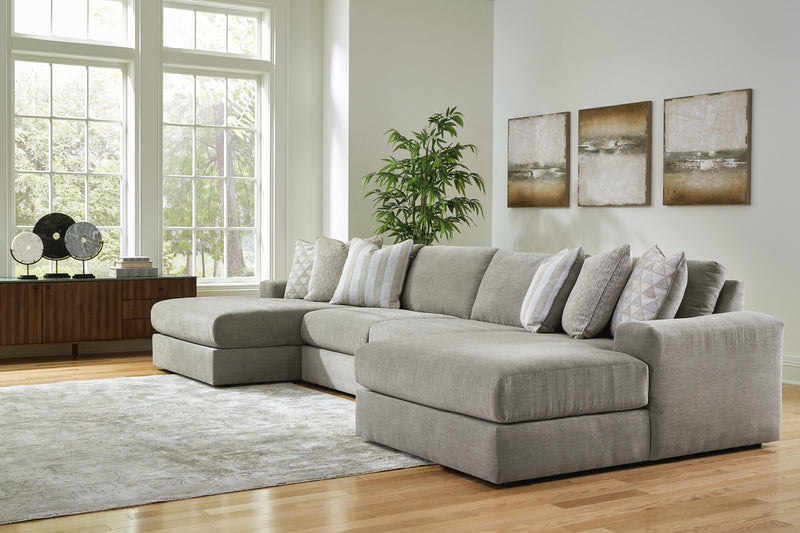
Chaise sectionals suit smaller living spaces by appending an extended lounge seat (around 60-65 inches usable length) to a standard sofa section. This configuration allows one person to fully stretch out without a huge footprint, and a sectional sofa with a chaise or extended seating area can serve as a functional guest bed, providing a comfortable space for napping or accommodating overnight guests.
Double-chaise layouts in sectionals allow multiple users to recline simultaneously without competing for space, making them excellent for households where everyone wants to stretch out during movie marathons.
Open-ended or “bumper” designs omit the terminal arm, yielding casual, sideways seating that feels relaxed for guests who prefer a more informal perch.
Modular sectionals allow for the rearrangement of individual pieces, making them adaptable to different room layouts and changing needs over time. The flexibility of modular sectionals makes them particularly valuable for evolving households, such as couples planning for children or families with teenagers who host friends. Modular sectionals can be configured into various shapes, such as L or U shapes, depending on the occasion, allowing for maximum seating capacity.
For modular pieces to deliver consistent comfort, each unit must feature uniform padding and well-designed connectors. Look for 2-inch thick neoprene buffers at junctions to eliminate hard spots where pieces meet.

2. Getting Seat Depth, Height, and Width Right for Comfort
Dimensions like seat depth, seat height, and seat width quietly determine whether a sectional feels cozy, cramped, or fatiguing after an hour. Sectional sofas that prioritize body support, spatial flexibility, and depth maximize seating comfort far better than focusing on overall length alone.
The “right” dimensions depend partly on body height and sitting style. One-size-fits-all rarely works for households with mixed heights, so consider how often family members work on laptops, read, nap, or eat on the sofa; each activity favors slightly different proportions.
A practical starting point: use a tape measure on a favorite existing chair at home to identify personally comfortable dimensions before shopping.
2.1 Seat Depth: Finding the Sweet Spot for Lounging vs Support
Seat depth, measured from the front cushion edge to the front of the back cushion, directly impacts lumbar support and the ability to tuck legs up comfortably.
Here’s a practical breakdown:
|
Seat Depth |
Best For |
Notes |
|---|---|---|
|
20-22 inches |
Upright sitting, shorter users |
Dining-chair-like posture, feet flat on the floor |
|
23-25 inches |
All-purpose comfort |
Works for most heights with pillows if needed |
|
25-27+ inches |
Lounging, taller users |
Allows feet-up positions, deep relaxation |
Deep seat cushions, typically between 22 and 26 inches, allow for comfortable lounging and proper posture during extended sitting, making them ideal for various activities. Deep-seat profiles can offer 24 to 29 inches of seat depth, significantly enhancing legroom for taller users.
For mixed-height households, combine standard-depth main seats with a deeper chaise for flexibility. Some modular sectionals allow ordering different seat depths on different components, a significant comfort advantage for shared households.
2.2 Seat Height and Back Height: Ease of Sitting Down and Getting Up
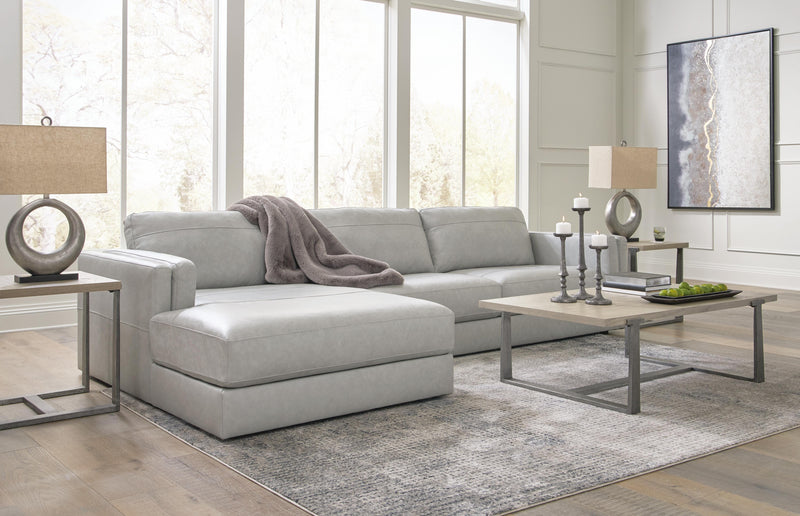
Seat height (floor to top of seat cushion) affects knee angle, hip comfort, and how easily users can stand. Recommended comfortable seat height ranges of about 17-19 inches work for most adults, keeping hips level with or slightly above knees.
Very low seats (under 16 inches) strain knees and make standing difficult, especially for older users. Mobility studies show approximately 25% more effort required. Low-profile modern designs may look sleek, but sometimes sacrifice upper back and neck support.
For back height, medium-range designs (around 30-36 inches total sofa height) offer a good compromise between contemporary aesthetics and genuine posture support. If a household member has back or neck sensitivity, add loose back cushions or taller pillows on lower-backed designs rather than settling for inadequate support.
Test by sitting, then standing up repeatedly from display models, which reveals real-world comfort better than visual assessment alone.
2.3 Seat Width and Cushion Layout: How Many True Seats Do You Get
Defined seat cushions (individual pads) versus bench-style cushions influence how many people can sit comfortably without bumping their hips. A typical comfortable seat width of around 20-24 inches per person prevents the cramped feeling that occurs when widths drop below 18 inches.
Bench cushions pros: Open, flexible feel; easy to sprawl across multiple positions. Bench cushions cons: People slide together over time; less individual support.
Divided cushions pros: Maintain personal space; better individual body support. Divided cushions cons: Less flexibility for sprawling.
Count “real” seats based on cushion breaks and usable arm-to-arm width rather than advertised capacity claims. In modular sectionals, consistent cushion widths across pieces help avoid awkward, too-narrow seats at junctions.
3. Cushion Construction and Materials That Boost Comfort
The seat cushion core and padding layers largely determine whether a sectional feels supportive years later or develops sags and pressure points. Multi-layer construction (firmer base, transition foam, softer top) typically feels more comfortable than a single block of very soft foam.
Comfort combines immediate feel with resilience, how the cushion performs after 2-5 years of everyday use. Look for specific information on foam density, filling types, and whether reversible cushions are available.
3.1 Seat Cushion Cores: Foam Density, Layers, and Support
Foam density (weight per cubic foot) directly correlates with long-term support and sag resistance. Target at least 1.8 lb/ft³ for everyday residential use; lower densities compress permanently under regular body weight.
The best sectional sofas offer cushion construction that stacks different densities, typically including a high-density foam base for structural support, a medium-density foam layer for transitional comfort, and a soft foam or fiber wrap for a plush surface feel. This layered foam core delivers both immediate comfort and lasting support.
Common constructions include:
-
All-foam cores (firmer, longest lifespan)
-
Foam wrapped in fiber (softer initial feel)
-
Foam wrapped in down or synthetic down (luxury sink-in)
Quality seat cushions should spring back to shape shortly after you stand; if the impression remains for more than a few seconds, the foam density is likely too low for long-term comfort. For a comfortable sofa intended for long lounging sessions, medium-firm cushions with a softer top layer typically provide the best balance.
3.2 Back Cushions and Arm Padding: Cradling vs Collapsing
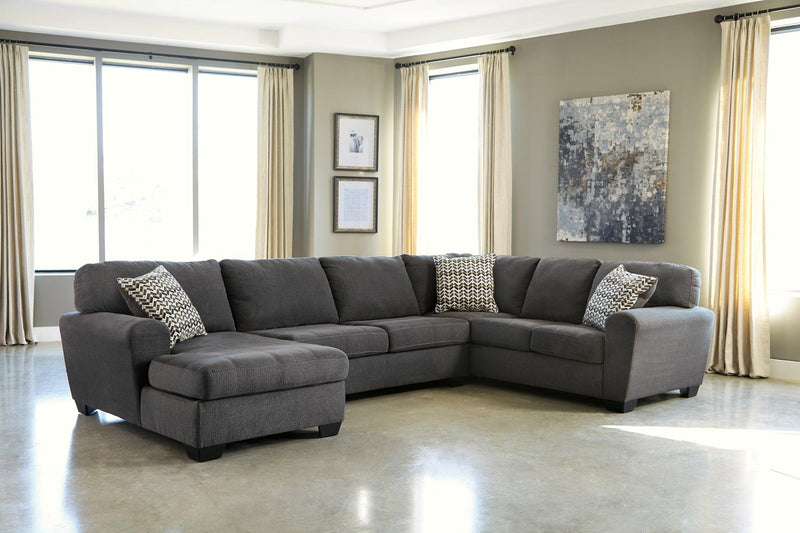
Back cushions are typically softer and more fiber-filled than seats, designed to cradle shoulders and spine without feeling rigid. Channel-sewn or baffled back cushions keep filling from shifting, preventing lumpy or collapsed sections that undermine comfort.
Well-padded arms are critical for:
-
Side sleepers resting their heads
-
Readers who lean sideways
-
Anyone who naps with their head on the arm
Warning signs of poor padding: hollow-feeling arms, back cushions that look flat after a short sit, or frame edges you can easily feel when leaning. Slightly taller, wider arms (8-12 inches) with overstuffed cushions significantly boost comfort for households that use the sofa as a napping spot.
3.3 Cover Fabrics and Comfort: Texture, Temperature, and Maintenance
Upholstery material affects tactile comfort, breathability, and temperature during extended sitting. Performance fabrics have evolved to resist stains and abrasion while remaining comfortable against the skin, making them ideal for high-traffic areas in homes with kids or pets.
Comfortable options include:
-
Soft, woven, breathable performance fabrics
-
Chenille and boucle textures
-
Microfiber with brushed finish
-
Certain velvets (both plush and durable)
Leather and some synthetics feel cool and smooth but may be less cozy in winter or slightly sticky in hot climates. For households with kids or pets, performance weaves that resist stains and pet hair simplify maintenance without sacrificing softness.
Touch fabric swatches if possible, testing for scratchiness, warmth, and how easily debris clings. Your fabric choices significantly impact daily comfort.
4. Ergonomics: How Sectionals Support Posture, Joints, and Daily Use
Ergonomic design transforms comfort from a luxury into a health consideration, resulting in fewer aches after long TV sessions or laptop work sessions on the sofa. A well-designed, comfortable sectional supports both fully relaxed lounging and reasonably upright sitting without constant fidgeting.
Think in terms of real use postures: cross-legged reading, reclined with feet up, sitting at the edge for conversation, or working on a laptop. A sectional that handles these positions maintains healthy posture and reduces long-term strain on hips, knees, and lower back.
4.1 Lumbar Support and Back Angle
Lumbar support provides gentle reinforcement in the lower back area, preventing the spine from collapsing into a C-shape during seated guests’ extended stays. Slightly firmer lower-back padding combined with a modest backward seat angle (3-5 degrees pitch) maintains comfort during long sitting periods.
Zero-gravity articulation in reclining sectionals elevates the knees slightly above the heart, improving blood circulation and relieving stress on the lower spine, particularly valuable for users with back sensitivity.
Test a sectional by sitting without extra pillows for 10-15 minutes. If your lower back feels tired rather than supported, the design likely lacks adequate posture support. Power reclining sectionals can provide independent motorized controls for lumbar support, headrest position, and footrest extension, accommodating personalized ergonomic positioning.
4.2 Joint Comfort: Hips, Knees, and Shoulders
Adequate seat height and firmness prevent knees from sitting above hips, a position that strains joints during long sessions. Thicker padding over the frame at seat fronts and arms protects hips and shoulders when people lie sideways or sprawl.
If you can feel the edge of the frame through the cushion when perched on the front, the sofa may cause discomfort over time. Test nap positions where possible: lying along the chaise, resting head on the arm, or side-sleeping to check pressure points.
People with arthritis or mobility concerns often prefer medium-firm cushions that make standing up easier compared with very soft, sink-in designs. The seating surface should distribute body weight evenly without creating pressure concentrations.
4.3 Supporting Multi-Activity Use: Work, Reading, and Napping
A modern, comfortable sectional sofa often serves as a work zone, reading nook, gaming station, and guest bed. A well-padded sectional creates a comfortable seating hub that supports multiple activities, such as working from home, reading, gaming, and watching long movies, without compromising comfort.
Adjustable headrests, movable back cushions, or extra throw pillows convert lounging-friendly deep cushions into more upright, laptop-friendly perches for upright sitting. Chaises or extended seats work well for those who frequently nap, with generous length supporting sleep quality.
Incorporate nearby surfaces (side tables, ottomans) at arm height so users can keep items within reach without twisting awkwardly. Position lighting and outlets around the sectional so work and reading positions feel physically comfortable and convenient. This configuration works beautifully for hybrid households.
5. Layout, Room Planning, and Supportive Extras
Even the most comfortable sectional can feel awkward if badly placed, blocking pathways or orienting most seats away from the room’s focal point. Comfort is partly psychological; people avoid seats that feel trapped, too close to traffic zones, or without clear views.
Before arranging a sectional sofa, measure your room’s dimensions and note the locations of doors, windows, and other architectural features to understand the space constraints. Use painter’s tape or newspaper on the floor to outline prospective sectional footprints before buying, ensuring adequate legroom and clearance in your floor plan.
5.1 Positioning for Sightlines and Flow
Position the longest side of the sectional facing the main focal point of the room, such as a TV or fireplace, to enhance usability and ensure all seats are engaged during gatherings. This single adjustment makes a huge difference in how comfortable seated guests feel.
Leave at least 30 to 36 inches for main walkways around the sectional to ensure traffic flow and accessibility to all seats without awkward squeezing. This clearance prevents users from feeling boxed in or brushed by passersby in your living space.
Slightly angling the sectional (around 10-15 degrees) can improve sightlines and make all seats feel equally included in conversation. Avoid configurations where someone must climb over others to reach a comfortable spot, especially in U-shaped or pit-style layouts.
Test mock layouts with existing furniture or boxes at home to simulate how the sectional affects movement before purchase. Consider square footage carefully; even the perfect sectional fails in tight spaces without adequate room layout planning.

5.2 Using Ottomans, Accent Chairs, and Side Tables to Enhance Comfort
An ottoman placed in front of the longest span or chaise lets multiple users elevate their legs, improving comfort and circulation. This simple addition creates the ultimate comfort zone for movie nights.
Lightweight accent chairs fill gaps at sectional ends, creating more supportive seating for guests who prefer firmer or more upright positions. Mixing a very plush sectional with slightly firmer accent chairs satisfies different comfort preferences within the same room.
A coffee table at an appropriate height (16-18 inches) keeps essentials within reach. Side tables at both sectional ends prevent uncomfortable twisting when setting down drinks and devices. Storage ottomans hide throws and pillows, allowing people to customize back support and warmth without clutter, finding their personal style in comfort accessories.
6. Durability and Maintenance: Keeping Comfort Consistent for Years
True comfort is long-term; a sectional that feels great for six months but sags by year two isn’t a smart investment. Frame quality, spring systems, cushion construction, and maintenance habits work together to maintain seating comfort over 7-15 years.
Ask about frame materials, joinery, springs, cushion warranties, and availability of replacement cores. Investing slightly more upfront in durable comfort elements prevents the expense and hassle of early replacement.
6.1 Frames and Support Systems
Ideal frame materials include kiln-dried hardwood (oak, maple) and reinforced metal components that resist warping, creaking, and sagging under everyday use. Look for mortise-tenon joinery, which flexes less than 1/8 inch under 500-pound loads.
Common support systems include:
-
Sinuous (S) springs: 8-10 per seat distribute weight evenly
-
Webbing: More budget-friendly but may sag 20% faster
-
Eight-way hand-tied springs: Premium durability (rare in sectionals)
A weak frame or underbuilt spring system causes even high-quality foam to feel uncomfortable as the structure sags. Basic in-store checks: lift one corner slightly to feel for flex, listen for creaks, and press on seat platforms to gauge solidity.
Modular sectionals should have sturdy, well-designed connectors (cam-pin systems work well) so joints don’t shift and create hard spots. Metal legs on some designs add visual lightness while supporting frame integrity.
6.2 Simple Habits to Preserve Cushion Comfort
Simple maintenance extends comfort significantly:
-
Rotate and flip reversible cushions every 1-2 months to distribute compression
-
Fluff back cushions weekly, especially fiber-filled ones, to restore loft
-
Vacuum regularly, including seams, to remove grit that abrades foam and fabric
-
Blot spills promptly following fabric care instructions
Choosing removable cushion covers can significantly enhance the usability of a sectional sofa, as they allow for easy cleaning and maintenance, encouraging more frequent use of all seating areas. Occasionally changing sitting positions and who uses which seat also distributes wear more evenly across the entire sectional.
7. Visual “Cozy Factor”: How Design Signals and Enhances Comfort
A sectional’s look, plushness, curves, and textiles affect how inviting it feels, which changes how often and how long people enjoy sitting. Generous seat depth, overstuffed cushions, and rounded edges read as comfortable even before someone sits down.
Current 2025-2026 trends emphasize softly rounded corners, low but cushy profiles, and textured upholstery that visually express comfort. Styling choices like throws, pillows, and layered rugs soften transitions between hard floors and the sectional, enhancing the cozy impression while adding a modern twist to any room.
7.1 Fabric and Color Choices That Feel Cozy
Warm neutral tones (taupe, caramel, stone gray) visually read as comforting and prove easy to live with daily. Darker neutral colors, such as charcoal and deep taupe, are better at hiding everyday wear compared to lighter colors, making them a practical choice for busy households.
Tactile fabrics like chenille, boucle, or brushed performance weaves create softness before anyone sits down. Textured fabric color options also camouflage natural cushion creases and wear, preserving a fresh appearance longer.
Coordinate the sectional’s color with accent chairs and pillows for a cohesive, restful palette that invites lounging. Bolder colors can still feel comfortable when paired with soft textures and balanced by neutral rugs, curtains, or walls. Your overall dimensions of comfort extend beyond just the furniture itself to the entire space.
8. Image Suggestions to Illustrate Comfortable Sectional Designs
For visual reference throughout your shopping journey, consider these image types:
-
Hero image: A modern L-shaped sectional in a 2026-style living room with deep but not extreme seat depth, medium back height, and a chaise, styled with cozy throws and a coffee table
-
Dimension diagram: Simple labeled comparison of seat depth ranges (21”, 24”, 27”) on sectional silhouettes with notes about upright versus lounging suitability
-
Modular configurations: Side-by-side comparison showing the same modular sectional configured as L-shape, U-shape, and pit-style
-
Cushion construction: Close-up cutaway of a seat cushion showing layered foam construction (firm base, transition layer, soft topper) with annotations
-
Room layout: Overhead illustration showing an L-shaped sectional, ottoman, and accent chairs with recommended walkway clearances and TV positioning
FAQs: Comfort Questions About Sectional Sofa Designs
How do I choose the right seat depth if my household has different heights?
Aim for a middle range around 23-25 inches seat depth, which usually accommodates both shorter and taller users with the help of throw pillows for adjustment. Consider combining a standard-depth main sofa section with a deeper chaise or modular lounge piece so each person has a “best” spot. When shopping, have the tallest and shortest household members test seats with feet flat on the floor and backs supported, and note which depth works acceptably for both. For taller users specifically, shallow seats (under 22 inches) often feel cramped, while those with a smaller frame may need lumbar pillows on deeper designs.
Are modular sectionals really as comfortable as fixed designs?
Modular sectionals deliver equal comfort to fixed designs when each module uses the same high-quality frame, springs, and cushions throughout. The key is verifying that connection hardware locks modules tightly together, preventing gaps or hard edges where pieces meet. Modulars offer added comfort advantages by letting owners reconfigure for different occasions, converting to a pit layout for movie marathons, for example. Verify that padding thickness and seat height stay consistent across all modular pieces so the seating surface feels unified rather than patchy when you sit comfortably across junctions.
What sectional shape is best for a small living room that still needs to feel comfortable?
Compact L-shaped sectionals with a chaise work excellently in smaller spaces, maximizing comfortable seating along walls without blocking pathways. Avoid bulky U-shaped or pit sectionals in a smaller space, as they reduce airflow and make seats feel cramped. Measure carefully and maintain at least 30 inches of clearance for walkways so the space stays easy to navigate. Pair the sectional with 1-2 small accent chairs or a storage ottoman to add flexible extra seating without overwhelming your floor space or making existing furniture feel crowded.
How can I tell if a sectional will stay comfortable over time, not just on delivery day?
Ask about foam density, targeting around 1.8 lb/ft³ or higher for seats, and check warranty details covering cushion sagging or flattening. Look for reversible cushions, sturdy frames with hardwood construction, and quality spring systems, all indicators of lasting support. Medium-firm cushions that soften slightly with use typically age better than extremely soft designs that compress quickly. Reading long-term user reviews (1-2+ years after purchase) reveals how the sectional performs compared to delivery day, helping you find the perfect sectional for durability.
Is a curved sectional comfortable for watching TV, or is it only for conversation?
A curved sectional can be very comfortable for TV viewing when the television is centered opposite the middle of the curve, keeping most seats within comfortable viewing angles. Choose a radius that isn’t too tight; sharp curves force neck twisting that defeats comfort during longer movies. Pair a curved sectional with a swivel accent chair or movable ottoman to provide at least one perfectly TV-facing “prime” seat option. Since curved designs naturally excel at conversation and lounging, they work especially well in multipurpose rooms that combine comfort with style for both TV watching and socializing during movie nights and game nights alike.
Buy Sectional Sofa Furniture at SouthEastern Furniture Today

Upgrade your living space with sectional sofa furniture at SouthEastern Furniture today and create a comfortable and functional area for relaxing, entertaining, and everyday living. Sectional sofas are designed to provide flexible seating arrangements, making them ideal for both spacious living rooms and smaller layouts that need smart seating solutions. With a variety of styles, configurations, and comfort options available, it is easier to find the right setup that fits your home and lifestyle.
Now is the perfect time to refresh your living room. Buy sectional sofa furniture at SouthEastern Furniture now and create a space where comfort, style, and practicality come together for you and your family.