
How Patio Furniture Makes Outdoor Living Comfortable

Between 2020 and 2026, outdoor living shifted from a weekend novelty to an everyday extension of the home. People now work from their patios, eat weeknight dinners on their decks, and unwind in their backyards like they once did, only in living rooms. This change happened across every type of home, small city balconies barely wide enough for two chairs, suburban patios behind 2010s tract homes, and larger 2020s decks complete with built-in grills and dedicated seating zones.
The difference between a patio that gets used daily and one that collects leaves comes down to the furniture. The right patio furniture transforms a bare slab of concrete or an unused deck into a comfortable lounge, a functional dining area, or a genuine retreat. For example, a patio furniture set with matching sofas, chairs, and tables can quickly create a cohesive and comfortable outdoor living area.
Comfort in outdoor spaces isn’t accidental; it comes from a deliberate mix of materials, ergonomics, layout, and accessories working together.
This guide breaks down exactly how quality patio furniture creates that comfort. You’ll learn which seating styles suit different bodies and activities, why materials and fabrics matter more than most people realize, how to plan layouts that feel spacious rather than cramped, and what extras turn a good outdoor space into a great one. Whether you’re furnishing a narrow balcony or a sprawling backyard, these principles apply.
The goal is simple: help you create outdoor living spaces where you actually want to spend time, not just spaces that look nice in photos but sit empty most of the year.
Introduction to Outdoor Furniture
When it comes to designing a welcoming and comfortable outdoor space, choosing the right outdoor furniture is the first step. Outdoor furniture encompasses a wide variety of pieces, such as patio chairs, dining tables, benches, and sectionals, all specifically crafted to withstand the elements while enhancing your outdoor living experience. Patio furniture, in particular, plays a pivotal role in turning patios, decks, and backyards into true extensions of your home. The best outdoor furniture combines style, comfort, and weather resistance, ensuring your patio not only looks inviting but also stands up to sun, rain, and changing seasons. With so many options available, it’s important to select furniture that complements your space and personal style, while also providing the durability needed for outdoor use. Whether you’re aiming for a modern retreat or a classic gathering spot, the right patio furniture can transform any outdoor area into a functional and beautiful living space.
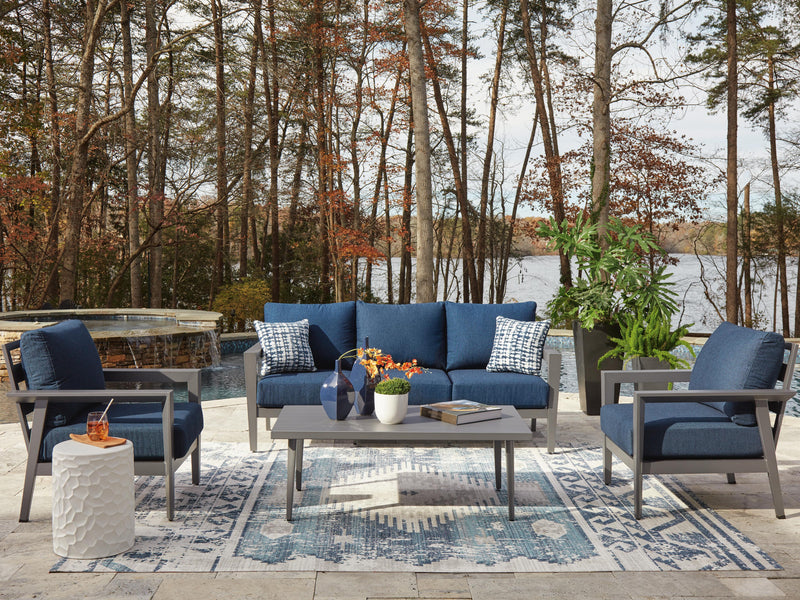
How Patio Furniture Turns Outdoor Space Into a Real Living Room
The concept of an “outdoor living room” has moved from design magazines into everyday backyards. Modern patio furniture blurs the line between indoors and outdoors by offering the same level of comfort you expect from your couch, just built to handle sun, rain, and temperature swings. Many outdoor furniture designs are inspired by indoor pieces, and when made with durable, weather-resistant materials, even indoor pieces can be incorporated into outdoor settings for a seamless transition between spaces.
The pieces that create living-room comfort outdoors include deep seating sofas with thick back cushions, club chairs wide enough to curl up in, outdoor sectionals that seat entire families, ottomans for propping up feet, and coffee tables sized for drinks and books. These aren’t the stiff, upright chairs of decades past. They’re designed for lounging, reading, napping, and conversation.
Plush seating makes the difference. Current standards for outdoor cushions run 10–15 cm thick for deep seating pieces, using high-density foam that holds its shape across seasons. This thickness allows people to sit comfortably for 4–6 hours at a stretch, the same duration you might spend on an indoor sofa watching movies or reading.
Consider a concrete example: a 4-piece conversation set arranged around a low fire table on a 12×16 ft patio. Two deep-seating chairs face a sofa, with a coffee table in the center. This setup accommodates 6–8 people for game nights or conversations, with enough room for everyone to move in and out easily. On a smaller 6×10 ft balcony, a compact love seat paired with two chairs creates the same effect at a different scale.
Matching side tables, coffee tables, and outdoor rugs complete the room. They give you places to set a glass of wine, rest a laptop, or stack books, the same functions you expect inside. Without these surfaces, outdoor seating feels incomplete, like a living room with nowhere to put anything.
The textures and colors matter for perception, too. Woven synthetic rattan on chair backs, smooth powder-coated metal frames, and soft performance fabric in neutral tones all signal comfort before you even sit down. These visual cues invite people to use the space rather than just look at it.
Comfortable Seating Styles for Every Type of Outdoor Living
Comfort is personal. Different seating styles suit different bodies, activities, and preferences. Understanding the options helps you choose pieces that match how you actually use your outdoor space.
Adirondack chairs feature a reclined posture and wide armrests, perfect for resting a drink or tablet. The sloped seat encourages relaxation, making these chairs ideal for afternoons by a fire or slow mornings with coffee. One consideration: the low seat height can make getting in and out challenging for older adults or those with mobility concerns.
Rocking chairs and gliders add gentle motion that naturally encourages relaxation. They work best on covered porches or decks where you can enjoy an evening without direct weather exposure. These pieces need a flat, hard surface to function properly; gravel or uneven stone won’t work.
Deep seating lounges and sectionals bring indoor-style comfort outside. With thick cushions and generous dimensions, they’re ideal for movie nights with an outdoor projector, long conversations, or afternoon naps. These pieces require more space. Plan for at least an 8×8 ft area to accommodate even a modest sectional comfortably.
Chaise lounges and daybeds provide full-body support for sunbathing by a pool or extended reading sessions. Many 2024–2026 designs include adjustable backs and integrated side tables, adding convenience without extra pieces cluttering the space.
The most comfortable outdoor areas often mix 2–3 seating types. Adirondack chairs around a fire pit handle the social gathering zone, while a sectional near the house serves as the everyday lounging spot. This layered approach gives you options depending on mood, weather, and who’s visiting.
Considerations for Selecting Furniture
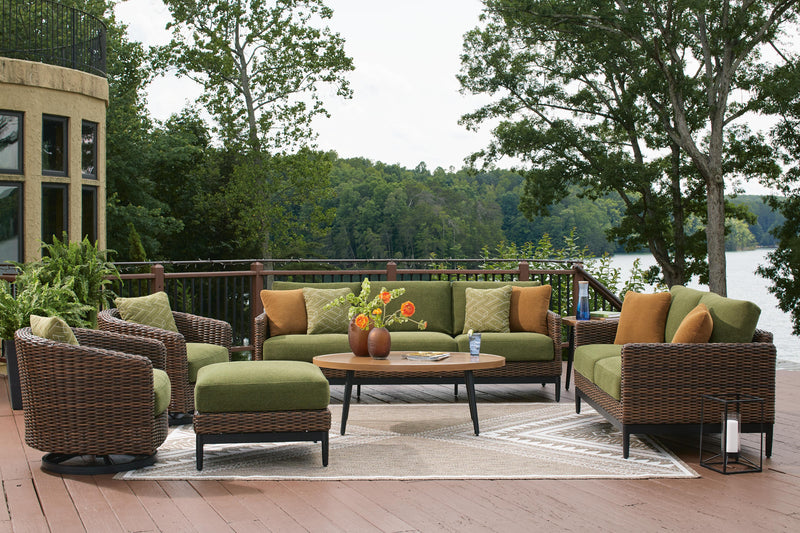
Choosing the best patio furniture for your outdoor space involves more than just picking pieces that catch your eye. Start by assessing the size and layout of your patio or deck, think about how much room you have and how you want to use it, whether for quiet mornings or lively gatherings. The materials you select are crucial: powder-coated aluminum and synthetic wicker are excellent choices for weather resistance, especially in areas with high humidity or frequent rain. If your patio gets a lot of sun exposure, look for fade-resistant finishes and fabrics to keep your furniture looking fresh. Style matters too; your outdoor furniture should reflect your taste while fitting seamlessly into your space. Consider how much maintenance you’re willing to do; some materials, like wicker and powder-coated frames, require less upkeep than others. By weighing these factors, you’ll be able to create a patio that’s both stylish and practical, ensuring your outdoor space is comfortable and ready for any occasion.
Materials & Fabrics: The Foundation of Long-Term Comfort
Real comfort outdoors depends on how materials feel in July heat, early-spring drizzle, and cool autumn evenings, not just how they look on delivery day. The frame you sit on and the fabric against your skin determine whether furniture stays comfortable across seasons or becomes an irritation.
Temperature and touch affect comfort dramatically. Metal frames can overheat in full sun to the point of being untouchable. Fabric that absorbs moisture stays damp for days after a storm. Cushions made with cheap foam flatten within one season, losing all support. These aren’t minor issues; they determine whether furniture actually gets used.
Weather-resistant frame materials balance durability with comfort in different ways:
|
Material |
Comfort Characteristics |
Best For |
|---|---|---|
|
Powder-coated aluminum |
Lightweight, stays relatively cool, rust-resistant |
Hot climates, frequent rearranging |
|
Synthetic wicker (HDPE) |
Softer handfeel, slight flex when sitting, mimics natural materials |
All climates, especially humid areas |
|
Teak wood |
Warms to the touch, doesn’t splinter when maintained, develops patina; natural oils protect against moisture, insects, and rot, making it highly durable and low maintenance |
Cooler climates, traditional aesthetics |
|
Stainless steel |
Extremely durable, heavier for stability in strong winds |
Windy locations, coastal areas |
Synthetic wicker made from high-density polyethylene weaves over aluminum frames, combining the best of both worlds: the visual warmth of natural materials with the durability of synthetics. These pieces typically last 15–20 years compared to 5–7 for untreated teak wood.
Modern performance fabrics have transformed outdoor seating. Solution-dyed acrylics and olefin fabrics stay soft against skin, resist fading under intense UV exposure (blocking up to 98% of harmful rays), and dry within hours after rain. (Resistance to UV rays is a key factor in preventing fading and deterioration of outdoor fabrics.) Sunbrella fabric and similar options maintain their color and texture even after 1,000+ hours of direct sun exposure, equivalent to about five years of regular use.
For families with children who use patios for homework or play, non-toxic, low-VOC finishes matter. These “wellness comfort” features became standard considerations around 2022 as outdoor spaces took on more daily functions.
West Elm is a premium brand known for offering outdoor furniture made from weather-resistant materials like all-weather wicker and aluminum, making it a popular choice for stylish, low-maintenance outdoor furnishings.

Cushions & Support: What Actually Makes a Chair Comfortable
Firmness, thickness, and shape of cushions matter more than how fluffy they look in product photos. Understanding these factors helps you choose pieces that stay comfortable for years rather than just the first few weeks.
Typical outdoor cushion thicknesses vary by purpose:
-
Dining chairs: 8–12 cm provide adequate comfort for 1–2 hour meals
-
Deep seating: 10–15 cm supports extended lounging sessions of 4–6 hours
-
Chaise lounges: 8–10 cm with additional head pillows for full-body support
The cushion core determines longevity. High-density foam or layered foam wrapped in fiber batting springs back after heavy use throughout spring, summer, and fall. Cheap alternatives compress permanently, creating uncomfortable dips where you sit most often.
Quick-drying foam and breathable fabrics solve the post-rain problem. Nobody wants to sit on a damp cushion 24 hours after a July downpour. Quality outdoor cushions use open-cell foam and fade-resistant fabrics that shed water and dry within hours rather than days. In wet climates, this feature alone determines whether furniture stays usable.
Ergonomic details add up to noticeable comfort differences:
-
Slightly angled seats prevent sliding forward
-
Taller backs support shoulders during extended sitting
-
Lumbar pillows fill the lower back curve for people working on laptops outdoors
-
Contoured armrests distribute body weight evenly, preventing pressure points
Removable, zippered cushion covers make a practical difference, too. They allow machine washing throughout the season, and cleaner cushions improve both physical comfort and perceived comfort. Nobody relaxes fully on visibly dirty fabric.
Adirondack Chair: A Classic Choice
Few pieces of outdoor seating are as iconic, or as comfortable, as the Adirondack chair. With its gently reclined back, wide armrests, and deep seat, the Adirondack chair invites you to kick back and relax, whether you’re soaking up the sun or enjoying a cool evening breeze. These chairs are often crafted from durable materials like teak wood, which naturally resists the elements, or recycled plastic, which offers a sustainable, low-maintenance alternative. Add plush cushions or pillows for extra comfort, and you have a seat that’s perfect for everything from reading a book to gathering around a fire pit. The Adirondack chair’s timeless design fits effortlessly into any outdoor space, making it a versatile choice for patios, decks, and gardens alike. With their sturdy construction and comfortable contours, these chairs are a smart investment in both style and relaxation.
Layout & Space Planning: Comfort Is Also About How Furniture Fits
Even the best furniture feels uncomfortable when crammed into a corner or floating awkwardly in the middle of a patio. How pieces relate to each other and to the surrounding space affects comfort as much as the pieces themselves.
Start by measuring your actual patio or deck. For example, a 10×12 ft concrete slab behind a townhouse built in 2015 offers about 120 square feet, enough for a conversation set or small dining area, but not both. Sketching simple layouts before buying prevents expensive mistakes.
Clearances determine physical comfort:
|
Element |
Recommended Clearance |
|---|---|
|
Walking pathways |
At least 90 cm |
|
Between seats and coffee tables |
30–45 cm |
|
Around dining tables (for chair movement) |
90–120 cm |
|
From grill to seating |
150+ cm |
Zoning outdoor spaces improves functionality and comfort. Place a conversation zone near the house for easy access and protection. Position a dining area closer to the kitchen door to simplify meal service. Arrange loungers where afternoon shade falls naturally. Each zone serves a different purpose and can be used independently.
Consider a small balcony example: a space approximately 1.5×3 m (about 5×10 ft). This fits two folding patio chairs, a narrow bistro table between them, and a slim storage outdoor bench along one wall that doubles as extra seating when needed. Everything has a purpose, nothing blocks movement, and the space feels usable rather than cramped.
Lighter, modular pieces make seasonal reconfiguration easier. Moving a deep seating set from a spring reading nook position to a late-summer party setup shouldn’t require professional help. Look for pieces that one person can move alone without sacrificing comfort or stability. If your patio or seating zone is in a sunny area, it's important to choose furniture made from materials that can withstand prolonged sun exposure and heat.

Balcony, Deck, and Backyard: Tailoring Comfort to Different Spaces
Comfort looks different on a 4th-floor balcony than in a big suburban yard. Each space type has specific considerations that affect which furniture works best.
Balconies demand efficiency. Low-profile chairs keep sight lines open. Floor cushions provide flexible seating that stores flat when not needed. A compact bench with hidden storage holds blankets and supplies. Railing planters add greenery without consuming precious floor space. The key is maintaining enough legroom to feel relaxed despite limited square footage, about 60 cm minimum between seat fronts and any obstacle.
Decks need scaled-down versions of yard furniture to avoid blocking railings or doors. Smaller-scale sofas work better than sprawling outdoor sectionals. Slim dining tables with two chairs on each long side fit better than square tables that eat up width. Fold-out extensions handle occasional larger gatherings without permanently sacrificing space.
Backyard patios can accommodate larger pieces that would overwhelm smaller spaces. Full-sized sectionals, firepit groupings with five or more seats, and daybeds that invite afternoon naps all work here. These pieces need to visually fill the space to feel proportionate; undersized furniture in a large yard looks lost and uncomfortable.
Sight lines contribute to mental comfort in any space. Being able to see children playing in the yard, a city skyline, or a garden bed from your chair adds ease and connection. Position seating to take advantage of views rather than facing blank walls or fences when possible.
Adding Personal Touches
Once your outdoor furniture is in place, it’s the personal touches that truly make your patio or deck feel like home. Layering in throw pillows, cozy blankets, and outdoor rugs can instantly elevate the comfort and style of your outdoor space. Decorative accents, like lanterns, sculptures, or even a water feature, add personality and create a soothing atmosphere. Consider incorporating potted plants or a vertical garden to bring a splash of greenery and a sense of tranquility to your patio. These details not only reflect your unique style but also make your outdoor space more inviting for both everyday relaxation and special gatherings. By thoughtfully accessorizing your furniture and patio, you’ll create an outdoor retreat that feels as comfortable and welcoming as any room inside your home.
Climate, Shade, and Seasonal Comfort
Comfort changes with the climate and season. Strong sun in Southern states, cool evenings in Northern regions, and humid summers across many areas since the mid-2020s all require different approaches to outdoor furnishings.
Material choices should match regional conditions:
-
Hot, coastal cities: Synthetic wicker and aluminum handle salt air and intense sun without degradation
-
Cooler or windy regions: Hardwood and powder-coated steel provide weight and insulation
-
Humid areas: All weather materials that resist mold and mildew prevent comfort-killing moisture problems
Shade solutions work with furniture to create comfortable zones. Cantilever umbrellas position shade exactly where needed without center poles blocking tables. Pergolas with slatted tops filter harsh midday sun while allowing air circulation. Shade sails angled over seating areas block direct exposure during peak hours.
The comfort difference under adjustable shade versus direct sun is dramatic. On a 32°C July afternoon, sitting in full sun limits comfortable exposure to perhaps 15 minutes. The same chair under a well-positioned umbrella remains pleasant for hours. This simple addition often determines whether outdoor space gets daily use or sits empty during summer’s hottest months.
Seasonal use extends beyond summer with the right additions. Outdoor throw blankets add warmth for cool September evenings. Fire tables provide heat and ambiance into October. Wind-blocking screens, whether permanent or portable, create sheltered zones that stay comfortable even when breezes pick up. These accessories let you enjoy outdoor living for 3–4 extra months in temperate climates.
Covers and simple storage protect comfort features across seasons. Stacking or folding chairs move into garages or sheds during inclement weather. Cushion storage boxes on the patio itself keep all the cushions dry during off-season months without requiring trips to the basement. This protection ensures furniture maintains its comfort for years rather than degrading after a single winter.
Firepits, Heating, and Evening Coziness
Evening comfort combines emotional warmth with physical warmth. Gathering around a firepit or heater creates opportunities for conversation and connection that purely functional seating can’t match.
Seating shapes around fire features affect both comfort and social dynamics:
-
Curved sofas around round fire tables create intimate, inclusive groupings
-
Semi-circle benches face everyone toward the fire and each other
-
Rings of Adirondack chairs allow individual adjustability while maintaining group cohesion
Each arrangement encourages face-to-face conversation at optimal 3–5 foot distances, close enough for easy talking, far enough for personal space.
Comfort extras complete the evening setup. Plush cushions made with fire-resistant materials add softness without safety concerns. Side outdoor tables positioned between seats hold mugs of coffee or glasses of wine within easy reach. Low stools do double duty as footrests and additional seating when needed.
Heat source options affect how long people can stay outside:
|
Heat Type |
Comfort Range |
Best For |
|---|---|---|
|
Gas fire tables |
2–3 meter radius |
Consistent, controllable heat for conversation areas |
|
Smokeless fire rings |
1.5–2 meter radius |
Traditional fire experience without smoke |
|
Electric infrared heaters |
Directional warmth |
Covered patios, targeted heating zones |
Low, warm-white lighting, lanterns on tables, and string lights overhead make the area feel inviting and safe after sunset around 20:00–21:00 in the summer months. Harsh overhead lighting kills the cozy atmosphere that makes evening outdoor time special.
Basic safety supports comfort, too. Leave adequate distance between seats and open flames (at least 90 cm). Choose stable furniture that won’t tip on uneven stone or gravel surfaces. Wobbly seating near the fire creates anxiety that undermines relaxation.

Outdoor Ambiance
The secret to a truly cozy atmosphere in your outdoor space lies in the ambiance you create. Start with lighting, string lights, lanterns, or even solar-powered path lights, which can cast a warm, inviting glow that makes your patio feel magical after sunset. Add an outdoor sectional or arrange synthetic wicker furniture to form a comfortable seating area, then pile on outdoor cushions and pillows for plush, sink-in comfort. A fire pit or outdoor heater can extend your outdoor living season, letting you enjoy your living space even on cooler evenings. Don’t forget the power of music; portable speakers or discreet outdoor sound systems can set the perfect mood for relaxation or entertaining. By combining the right outdoor furniture with thoughtful touches like lighting, cushions, and cozy seating arrangements, you’ll transform your patio into a true outdoor living space, a place where you can unwind, entertain, and make lasting memories with friends and family.
Dining Comfort: From Weeknight Meals to Weekend Parties
Outdoor dining shifted from occasional BBQs in the early 2000s to regular weeknight dinners and remote-work lunches after 2020. This increased use makes dining area comfort more important than ever.
Chair comfort for dining differs from lounging. Slightly reclined backs support upright posture during meals. Seats should be firm enough to maintain good posture but padded enough for 1–2 hour dinners without discomfort. Armrests that don’t block movement in and out prevent the annoyance of pushing back from the table.
Sizing guidance for dining tables:
|
People |
Table Size |
Space Needed Around It |
|---|---|---|
|
4 |
90×150 cm |
3×4 m total area |
|
6 |
90×180 cm |
3.5×5 m total area |
|
8 |
100×240 cm |
4×6 m total area |
The dining table surface affects daily comfort. Smooth, cool-to-touch surfaces like stone or powder-coated metal don’t wobble under laptops or glassware. Wood pieces offer warmth but require more added maintenance to prevent roughness or splinters. Avoid glass tops in sunny areas; they become uncomfortably hot and show every fingerprint.
Flexible dining solutions handle changing needs. Extendable tables stretch from 4-person to 6-person configurations for weekend parties. Stackable or folding chairs store compactly when not needed. Benches tuck fully under tables to open floor space on non-dining days.
A concrete example: a 6-chair patio set on a 3×4 m patio serves Sunday brunch in late May and evening dinners in August. Comfortable cushions on each chair encourage lingering after meals. An umbrella or pergola provides shade for midday use. The same setup hosts birthday parties and holiday gatherings with minor rearrangement.
Accessories That Make Outdoor Dining Truly Comfortable
Small items often change the dining experience the most. These accessories cost little but improve comfort significantly.
Seat cushions sized specifically for dining chairs add comfort without looking bulky. Ties or non-slip backing keep them in place as people sit and stand repeatedly during a meal. Choose quick-drying materials in wet climates to avoid damp seats after morning coffee on a dewy day.
Outdoor-safe table linens serve both functional and aesthetic purposes. Wipeable runners and placemats protect tabletops from scratches and heat. Weighted napkins stay put in light evening breezes rather than blowing into the yard.
Dimmable lighting over the table solves the post-sunset visibility problem. Lanterns or string lights provide enough illumination to see food and faces clearly without the harsh glare of overhead fixtures. Adjustability lets you set the mood from practical brightness to intimate ambiance.
Bug comfort solutions extend usable dining hours during summer. Discreet citronella candles or covered food stands keep insects away without overpowering smoke or scent. Position these around the perimeter rather than on the table itself for effective coverage without overwhelming the dining experience.
Emotional & Wellness Benefits of Comfortable Outdoor Living
Comfortable outdoor patio furniture connects directly to well-being. Reduced stress, more time in natural light, and easier social connections all follow from creating spaces where you want to spend time outside.
Since about 2020, patios have become “third spaces” at home, places for morning coffee, remote work calls, or evening reading sessions separate from bedrooms and home offices. This shift increased time outdoors significantly. Studies show people with comfortable outdoor seating spend 2–3 times more hours outside annually, up to 1,000 hours, compared to those with basic or uncomfortable new furniture.
Having a supportive chair and usable outdoor tables encourages 1–2 extra hours daily outside during mild seasons. That fresh air exposure correlates with measurable health benefits: approximately 20% reduced stress hormones from nature immersion and vitamin D levels rising 30% with regular sun exposure.
Cozy setups improve mood directly. Soft cushions, throw pillows, and warm lighting signal relaxation to your brain before you consciously decide to unwind. These cues make it easier to disconnect from screens and shift into rest mode after work hours.
Family comfort matters too. Kid-friendly furniture heights and durable materials let children do homework or crafts outside without constant worry about stains or damage. Sustainable materials like recycled plastic and synthetic materials handle rough use while staying comfortable.
Consider a family that turned a once-bare 2012 patio into a 2024 “outdoor room” with sectional seating, a small table for games, and string lights overhead. They now eat Friday pizza outside, host neighbors for drinks, and use the space for everything from reading to remote work. The transformation came from adding the right furniture, pieces that invited use rather than just filling space.
Maintaining Comfort Over the Years
Comfort isn’t a one-season feature. It depends on ongoing care and smart upgrades to maintain quality over time.
Simple maintenance keeps furniture comfortable:
-
Spring: Brush off pollen and debris from winter storage
-
Summer: Hose down frames monthly to remove dust and prevent buildup
-
Fall: Deep-clean cushion covers before storage
-
Year-round: Wipe spills promptly to prevent staining
Seasonal tweaks refresh the look and feel without full replacement. Swapping in a few new cushions or a rug every couple of years maintains the inviting feel of better quality furniture at a fraction of replacement cost.
Storage protects comfort features during off-season months. Keep cushions in a dry garage, shed, or indoor closet during heavy rain periods and winter months to preserve softness and shape. Exposure to long periods of moisture causes foam to break down and fabric to develop mildew, both comfort killers.
Annual hardware checks prevent wobbles and squeaks. Tightening bolts on patio chairs and outdoor bench legs takes minutes but directly affects perceived comfort. Unstable furniture creates subconscious tension that undermines relaxation.
A little seasonal attention keeps outdoor patio furniture comfortable and inviting well past 2026. Quality pieces properly maintained deliver 15–20 years of use, far better value than replacing cheap furniture every 3–5 years.
Get Your Outdoor Furniture at SouthEastern Furniture Today

Outdoor furniture helps turn your patio, deck, or backyard into a living space you can enjoy every day. At SouthEastern Furniture, our outdoor furniture collection is designed for comfort, durability, and easy outdoor living. From the best patio furniture seating sets to dining options, each piece is made to handle everyday outdoor use while keeping your space inviting and functional.
Get the right outdoor furnishings for your home’s exterior by exploring our collection today. Whether you’re setting up a small outdoor area with room for just two chairs and a small table, or furnishing a larger space for gatherings, the right materials and style can help you create a cozy atmosphere and enjoy your outdoor space more comfortably.